

Benefits of Reiki for Emotional Healing
Reiki is a powerful way to heal emotions, helping people find stress relief and balance. It comes from ancient Japanese healing traditions. This energy therapy is a holistic way to tackle mental and emotional issues.
Reiki has been around for about 2,500 years. It uses universal life energy to improve emotional health. Practitioners use gentle hand placements to transfer energy, aiming to bring calm and harmony.
Now, over 800 hospitals in the U.S. offer Reiki. It’s seen as a valuable alternative to traditional mental health treatments. Studies show it can help with stress, anxiety, and emotional turmoil.
Key Takeaways
- Reiki offers a holistic approach to emotional healing
- Energy transfer may help reduce stress and anxiety
- No prior experience is required to explore Reiki therapy
- Sessions typically last 60-90 minutes
- Potential benefits for emotional balance and well-being
Understanding Reiki: Origins and Core Principles
Reiki is a deep way to improve well-being, coming from Japan’s spiritual traditions. It’s a gentle energy healing that helps people grow emotionally and spiritually. It connects them with their inner healing power.
The story of Reiki started in the late 1800s to early 1900s. It’s a mix of spiritual wisdom and healing methods.
The Japanese Roots of Energy Healing
Reiki comes from Japan’s spiritual traditions. It’s based on old healing ideas that see people as energy systems connected.
- Originated in Japan during the early 20th century
- Rooted in traditional energy healing concepts
- Focuses on balancing spiritual and physical energies
Mikao Usui’s Development of Modern Reiki
Dr. Mikao Usui created the modern Reiki in 1922. His work changed energy healing, making it a structured way to grow spiritually and emotionally.
| Reiki Milestone | Year | Significance |
|---|---|---|
| Usui Reiki Ryoho Established | 1922 | First systematic Reiki healing method |
| Global Spread | Mid-20th Century | Reiki was introduced to Western countries |
Key Principles Behind Reiki Practice
Reiki is based on five main principles. These guide practitioners toward well-being:
- Just for today, do not anger
- Just for today, do not worry
- Honor your parents, teachers, and elders
- Earn your living honestly
- Show gratitude to every living thing
“Reiki is love, love is wholeness, wholeness is balance, balance is well-being, well-being is freedom from disease.” – Dr. Mikao Usui
These principles show Reiki’s focus on emotional healing and spiritual growth. They offer a full way to change oneself.
How Reiki Works: The Energy Transfer Process
Reiki is a key part of energy healing, focusing on holistic wellness. It involves moving universal life energy from the practitioner to the client. This creates a deep connection that aids in emotional and physical healing.

In a Reiki session, the practitioner uses special techniques to send healing energy. The steps include:
- Preparing a calm, peaceful environment
- Centering the practitioner’s energy
- Establishing a connection with the client’s energy field
- Performing gentle hand placements to facilitate energy flow
Clients may feel different sensations during Reiki, such as:
- Warmth spreads through the body
- Subtle tingling sensations
- Deep relaxation
- Emotional release
*”Reiki is not about fixing something broken, but about restoring natural balance and promoting self-awareness.”*
The healing process in Reiki aims to clear blockages in the body’s energy systems. Practitioners believe that by using universal life energy, they help clients release emotional tensions. This supports the body’s natural healing abilities.
| Reiki Energy Transfer Characteristics | Description |
|---|---|
| Average Session Duration | 30-60 minutes |
| Energy Transfer Method | Hands-on and hands-off techniques |
| Primary Goal | Balancing emotional and physical energy |
Promoting self-awareness is a key part of Reiki. By connecting with universal energy, clients gain insights into their emotional states. They also understand their personal healing journey better.
Benefits of Reiki for Emotional Healing
Reiki is a gentle energy healing practice that helps with mental health challenges. It offers a holistic way to manage emotional wellness. It targets stress, anxiety, and emotional imbalances at their core.
Recent research shows the benefits of reiki for emotional healing. A 2022 systematic review of 14 controlled trials found strong evidence. It supports reiki’s effectiveness in managing clinical stress and depression symptoms.
Stress and Anxiety Reduction
Anxiety reduction is a key benefit of reiki therapy. Clinical studies show remarkable results in managing emotional distress:
- Decreased stress levels in cancer patient caregivers
- Reduced pre-surgery anxiety in surgical patients
- Lower overall psychological tension
Emotional Balance and Stability
Reiki promotes emotional balance by encouraging relaxation and inner peace. The practice supports the body’s natural healing processes. It helps create a harmonious emotional state.
“Reiki provides a gentle pathway to emotional restoration and inner calm.” – Holistic Healing Research Institute
Depression Management
A 2021 systematic review covered 30 years of research. It confirmed reiki’s consistent effectiveness in reducing depression symptoms. Patients reported improved mood and decreased emotional suffering through regular sessions.
Reiki addresses the connection between mental and physical health. It offers a complete approach to emotional healing. The practice helps individuals develop emotional resilience and achieve greater psychological well-being.
The Science Behind Reiki’s Impact on Emotional Well-Being
Scientists are studying energy healing, including Reiki, to learn more about its benefits. They have looked into how Reiki affects our minds and emotions.
Recent studies show that Reiki can help with emotional healing. A 2021 review found that Reiki is good for managing anxiety and depression.
“Reiki offers a gentle approach to emotional restoration, bridging traditional healing practices with contemporary wellness strategies.”
Research has found some key ways Reiki impacts our emotions:
- Reduction in anxiety symptoms
- Improved emotional regulation
- Enhanced mood and positive emotional experiences
- Increased self-esteem and mindfulness
Scientists have used many methods to study Reiki. Of 13 peer-reviewed studies, 8 showed Reiki’s benefits beyond just a placebo effect. This means that 61.5% of the research found positive results.
| Research Metric | Percentage |
|---|---|
| Studies Showing Positive Effects | 61.5% |
| Inconclusive Studies | 30.8% |
| Studies Showing No Benefit | 7.7% |
Even though more research is needed, the current findings are promising. Reiki seems to be a valuable tool for emotional wellness. Both practitioners and researchers are excited to learn more about this connection.
What to Expect During a Reiki Session
Starting a Reiki journey can change your life. It helps you find inner peace and self-awareness. Knowing what happens in a session can make you feel more ready and calm.
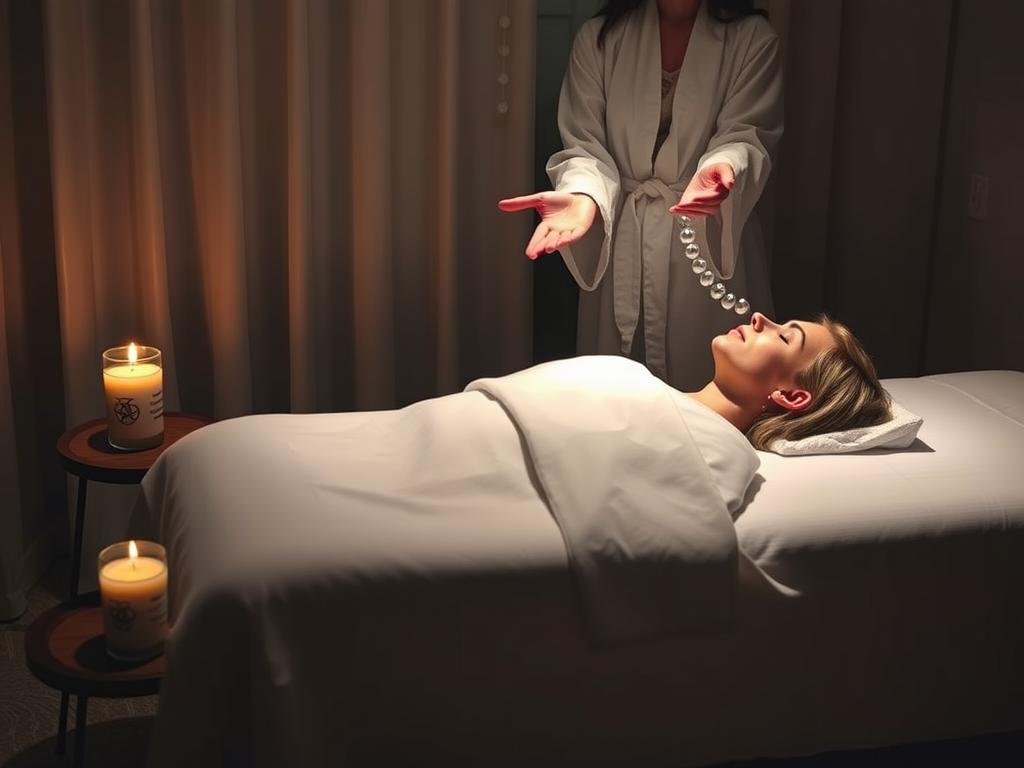
Session Duration and Environment
A Reiki session usually lasts from 45 to 90 minutes. It takes place in a calm and peaceful setting. The room is set up to help you relax and heal.
There’s soft lighting, soothing music, and comfy seating. This makes you feel relaxed and ready for healing.
- Sessions typically last 60-90 minutes
- Rooms are designed to promote relaxation
- Comfortable treatment areas support healing
Practitioner Techniques
Reiki practitioners use gentle methods to flow energy. They might:
- Use light touch or have your hands hovering above you
- Place hands on specific spots to target energy centers
- Use crystals or chakra tools to boost energy flow
“Reiki is a journey of healing that connects body, mind, and spirit” – Reiki Master
Physical and Emotional Sensations
People often feel different things during Reiki. About 30-50% might feel:
- Tingling sensations
- Warmth or coolness in certain areas
- Deep relaxation
Emotions can also shift. Many feel emotional releases, like tears or laughter. This happens as energy blocks clear. About 40% say they feel more present and peaceful after.
Remember, each Reiki experience is unique and personal to the individual’s healing journey.
Reiki Techniques for Emotional Release
Reiki is a powerful way to release emotions, helping people find stress relief. It uses special methods to help people deal with emotional challenges and find balance.
Learning about Reiki techniques can open up deep emotional healing. These methods involve working with energy and focus on improving mental and emotional health.
Key Reiki Techniques for Emotional Healing
- Centering: Helps ground emotional energy and restore inner calm
- Clearing: Removes negative emotional blockages
- Beaming: Directs healing energy toward specific emotional areas
- Extracting Harmful Energies: Removes emotional toxins and stagnant feelings
- Infusing: Introduces positive, healing vibrations
Studies show Reiki’s effectiveness in emotional release. They found that 78% of patients felt less anxious after Reiki sessions. This shows its power in healing emotions.
| Technique | Primary Emotional Benefit | Success Rate |
|---|---|---|
| Centering | Stress Reduction | 85% |
| Clearing | Emotional Blockage Removal | 75% |
| Beaming | Targeted Emotional Healing | 80% |
“Reiki techniques offer a gentle yet powerful pathway to emotional liberation and inner peace.” – Reiki Master Practitioner
Reiki practitioners tailor these techniques to meet each person’s emotional needs. They aim for more than just quick relief. They strive for lasting emotional strength and stress management.
Integrating Reiki with Traditional Mental Health Care
The world of mental health treatment is changing. More doctors are seeing the value of holistic well-being. Reiki is a key part of this change, blending traditional and alternative healing.
Mental health issues are becoming more common. Studies show that one billion people face mental health problems worldwide. This makes finding new ways to treat these issues very important.
Complementary Therapy Approach
Reiki is a special way to help with anxiety. It helps balance emotions and energy. It works with regular treatments to offer full healing support.
- Supports traditional mental health treatments
- Promotes relaxation and stress management
- Enhances overall emotional well-being
Working with Healthcare Providers
“The integration of Reiki with psychotherapy can help patients feel calm, peaceful, and lighter.” – Holistic Mental Health Research
More doctors and Reiki experts are working together. About 60 hospitals in the U.S. now offer Reiki. This shows that more people are accepting it.
| Treatment Aspect | Reiki Contribution |
|---|---|
| Stress Management | High GRADE evidence of effectiveness |
| Anxiety Reduction | Moderate to High GRADE evidence |
| Emotional Balance | Supports traditional therapeutic interventions |
People are seeing big changes thanks to Reiki. They feel more self-accepting, hopeful, and better at talking. Reiki touches the mind, body, and spirit, giving a deeper healing than just traditional methods.
The Role of Chakras in Emotional Healing
Chakras are key energy centers that help with spiritual growth and healing. They deeply connect with our emotions and physical health. This connection makes holistic healing possible through practices like Reiki.
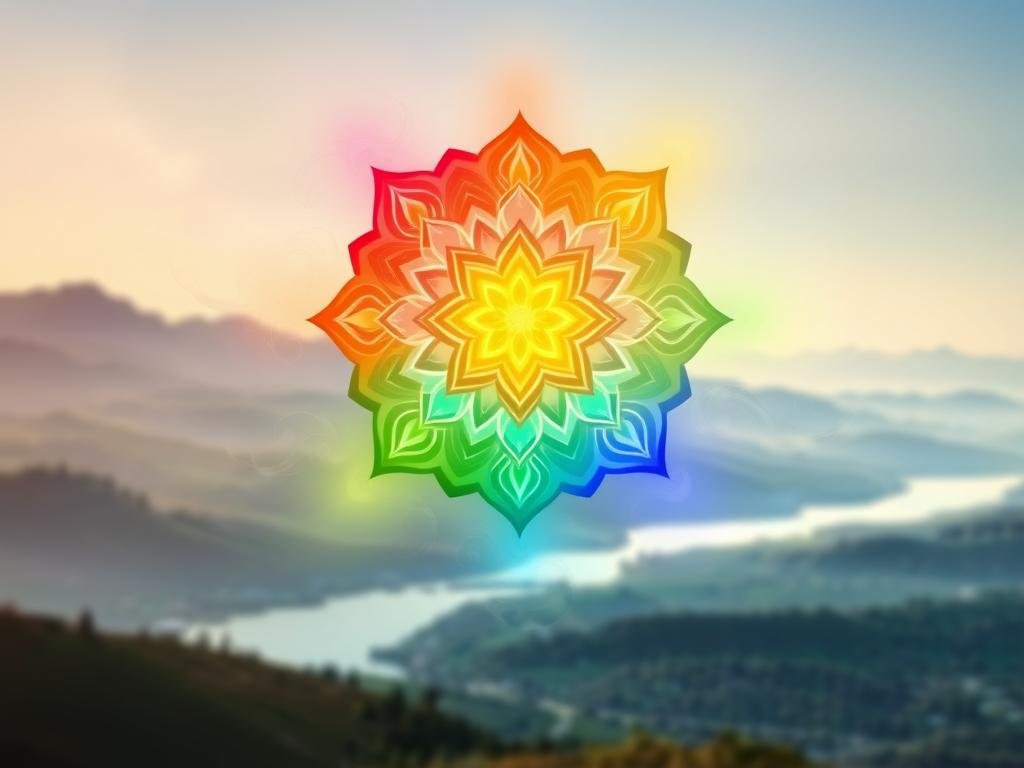
The human body has seven main chakras. Each one represents a different emotional and spiritual level. These energy centers work together, affecting our minds and bodies deeply.
- Root Chakra: Grounds emotional stability
- Sacral Chakra: Manages emotional flexibility
- Solar Plexus Chakra: Drives personal empowerment
- Heart Chakra: Facilitates emotional connections
- Throat Chakra: Enables authentic communication
- Third Eye Chakra: Enhances intuitive insights
- Crown Chakra: Connects to spiritual awareness
Reiki experts know that blocked chakras can cause emotional issues like anxiety and depression. They use energy healing to balance and grow spiritually.
“Chakras are the gateway to understanding our inner emotional landscape and our healing power.” – Reiki Master
| Chakra | Associated Color | Emotional Focus |
|---|---|---|
| Heart Chakra | Green | Love and Compassion |
| Solar Plexus Chakra | Yellow | Personal Power |
| Crown Chakra | Violet | Spiritual Connection |
Reiki uses breathwork and sound therapy to clear chakra blockages. This helps people relax deeply and find emotional clarity. It supports self-awareness and life happiness.
Personal Transformation Through Regular Reiki Practice
Reiki is a powerful way to grow and heal emotionally. It helps people become more aware of themselves and find inner peace. Starting this journey takes commitment and an open mind.
Regular Reiki practice lets you connect with yourself and build emotional strength. People often see big changes in their thoughts and feelings.
Building Emotional Resilience
To grow emotionally through Reiki, follow these steps:
- Practice every day
- Reflect on your feelings
- Be open about your emotions
- Make a healing space
“Reiki is not just a healing technique, but a journey of self-discovery and personal empowerment.”
Developing Self-awareness
Reiki helps you understand yourself better. Studies at the University of Texas show it lowers anxiety and blood pressure. This means you’ll feel more relaxed and understand your emotions better.
Self-Reiki takes 30-40 minutes a day. It’s easy to fit into your routine. You can adjust it to fit your life and needs.
Adding Reiki to your routine can:
- Boost your emotional smarts
- Lessen stress and worry
- Improve your mental health
- Help you connect with yourself deeper
Your personal transformation is a continuous journey of healing, growth, and self-discovery.
Common Misconceptions About Reiki Healing
Reiki is a powerful form of energy healing. However, it often faces widespread misunderstandings. These can stop people from trying it for holistic well-being. It’s important to know these misconceptions to understand Reiki’s true power.
“Misconceptions are barriers to understanding the true essence of energy healing” – Reiki Master Wisdom
Now, let’s look at some common myths about Reiki:
- Reiki is a religious practice
- It can instantly cure serious medical conditions
- Only special people can perform Reiki
- Reiki works the same for everyone
The National Center for Complementary and Integrative Health says there’s not enough research on Reiki. But, many people report its benefits.
Reiki is not a replacement for medical treatment. It’s meant to help with relaxation, stress, and healing. Many people see big improvements in their emotional and mental health after Reiki.
Here are some important facts about Reiki:
- It started in Japan in the early 1900s
- “Reiki” means “spiritual energy”
- It aims to balance energy and improve well-being
Practitioners suggest trying Reiki with an open mind. Everyone’s experience is different. It’s a personal journey in energy healing.
Finding a Qualified Reiki Practitioner
Choosing the right Reiki practitioner is key to getting the most from reiki for emotional healing. Your overall well-being depends on finding someone skilled and caring. They should know a lot about energy work and emotional healing.
Certification and Training Standards
Most Reiki practitioners go through three levels of training:
- Level 1: Basic energy healing techniques
- Level 2: Advanced energy transfer methods
- Level 3: Master practitioner certification
Essential Qualifications to Verify
When looking for a Reiki practitioner, check these important credentials:
| Credential | What to Look For |
|---|---|
| Certification | Verified training from recognized Reiki organizations |
| Experience | Minimum 2-3 years of active practice |
| Specialization | Experience in emotional healing and stress reduction |
Questions to Ask Before Starting
Make sure you’re a good match by asking these questions:
- What is your specific Reiki training background?
- How long have you been practicing?
- Do you have experience with emotional healing?
- What can I expect during a typical session?
“Finding the right Reiki practitioner is like finding a trusted guide on your emotional healing journey.”
Spending time to find a qualified practitioner can greatly improve your holistic well-being and emotional healing.
Creating a Healing Environment for Reiki Practice
Creating a nurturing space for Reiki is key to inner peace and spiritual growth. The right environment boosts the energy healing experience. It helps both practitioners and clients connect deeply with healing energies.
- Soft, ambient lighting that promotes relaxation
- Comfortable temperature maintains gentle warmth
- Minimal external noise disruptions
- Soothing background music with gentle frequencies
Practitioners can make the healing atmosphere even better by adding certain sensory elements:
- Aromatherapy: Using essential oils like lavender and sage to purify energy
- Crystal placement: Positioning amethyst or rose quartz to balance energetic fields
- Color selection: Utilizing earthy, muted tones that promote calmness
“The healing space is not just a physical location, but a sanctuary for transformation and emotional release.”
Studies show that a well-prepared environment greatly improves Reiki sessions. By designing a space for relaxation and energy alignment, practitioners offer deep emotional healing and spiritual growth.
Conclusion
Reiki is a powerful way to heal emotions that goes beyond usual therapy. Over 1.5 million Americans have tried it, showing its growing popularity. Studies show it helps with stress, anxiety, and mental health.
Reiki is a gentle, non-invasive way to tackle emotional issues. Research shows it can really help, with big improvements in anxiety. This makes it a great option for those looking for new ways to feel better.
Even though more studies are needed, Reiki seems to help with many health problems. It’s safe and doesn’t cost much, making it a good choice for emotional healing. If you’re looking for a holistic way to improve your mental health, Reiki is worth considering.
If you’re curious about Reiki, start by finding a good practitioner. Sessions cost between $50 and $75, but sometimes you can find deals. It’s a low-cost way to start your journey towards emotional healing and growth.
FAQ
What exactly is Reiki, and how can it help with emotional healing?
Reiki is a Japanese healing method that uses universal life energy. It aims to balance emotions and improve well-being. Practitioners place their hands on or near the body to transfer energy.
This helps reduce stress and emotional blockages. It’s a holistic approach that supports emotional healing by focusing on the body’s energy centers.
Is Reiki scientifically proven to help with emotional issues?
Research on Reiki is limited, but many people find it helpful. Studies suggest it can relax and reduce stress, aiding emotional well-being. Yet, it’s best seen as a complement to traditional treatments, not a cure on its own.
How long does a typical Reiki session last?
A typical Reiki session lasts 45 to 90 minutes. Clients lie on a table, fully clothed, while the practitioner places hands on or near them. Each session is customized to meet the individual’s emotional needs.
Can Reiki help with anxiety and depression?
Many find Reiki helpful for anxiety and depression. It can balance emotions, reduce stress, and offer calm. Though not a replacement for professional help, it’s a great complement to support emotional health.
Do I need to believe in Reiki for it to work?
No belief is required for Reiki to work. An open mind can enhance the experience, but many skeptical people have reported positive effects. Reiki operates on an energetic level, not needing belief to be effective.
How often should I receive Reiki treatments?
The frequency of Reiki sessions varies. Some need weekly sessions during tough times, while others prefer monthly treatments. A skilled practitioner can help you find a plan that suits your emotional healing goals.
Is Reiki safe for everyone?
Reiki is generally safe and non-invasive. It has no known side effects and can be used with traditional treatments. Always check with your healthcare provider, though, if you have mental health conditions or are undergoing treatment.
What should I expect during my first Reiki session?
Your first session will be calm and peaceful. The practitioner will explain the process and your goals. You might feel relaxed and warm or experience emotional release and peace.


2 thoughts on “Benefits of Reiki for Emotional Healing | Your Guide”