

Mindfulness isn’t just for meditation experts. It’s a simple way to live more intentionally in today’s fast world. Studies from 2019 show that even short meditation can greatly improve health. This makes mindfulness easy for everyone to try.
There are many simple mindfulness practices for daily life. You can use them whether you have one minute or twenty. These practices can lower stress, boost focus, and improve your overall health. The most important thing is to be consistent, not how long you practice.
By practicing mindfulness, you can turn everyday moments into chances to be present. Simple activities like box breathing, walking meditation, and keeping a gratitude journal can help you feel more centered and balanced.
Key Takeaways
- Short meditation sessions can be as beneficial as longer practices
- Mindfulness can be practiced anywhere, anytime
- Consistency matters more than duration of practice
- Digital apps can support your mindfulness journey
- Mindfulness improves mental and emotional well-being
Understanding the Fundamentals of Mindfulness Practice
Mindfulness practices are key to better mental and physical health. It’s a meditation technique that helps us stay in the present. This practice brings awareness and peace within.
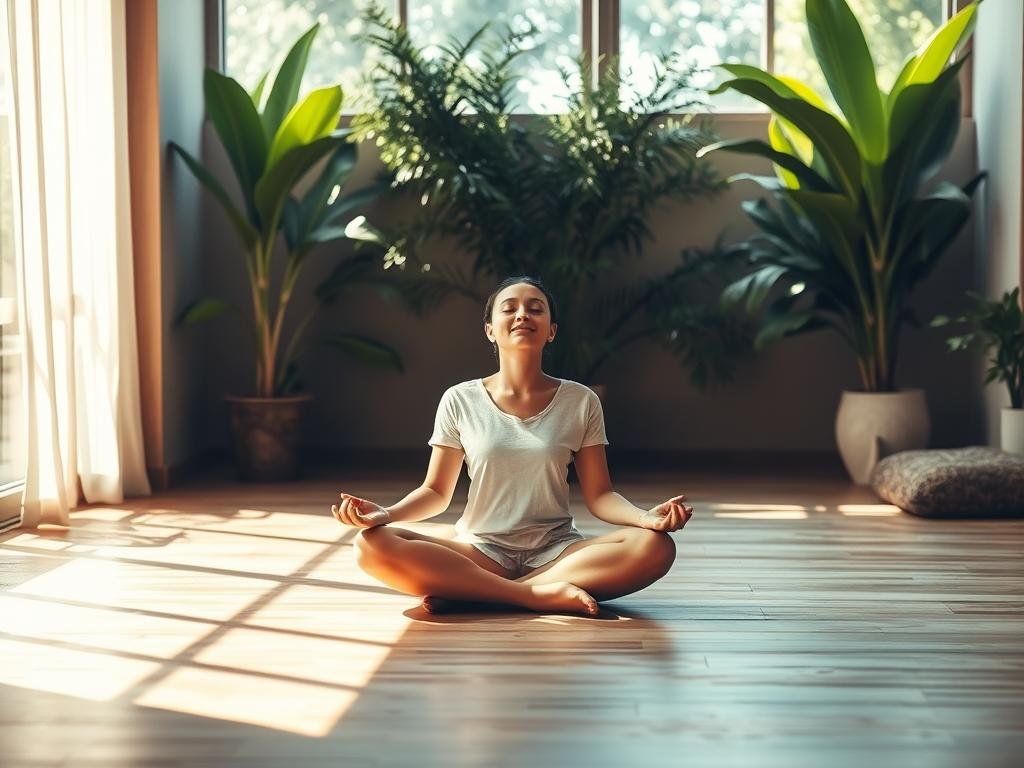
The science behind mindfulness shows it’s more than just relaxing. Studies show it greatly improves our health and mental state.
Defining Mindfulness and Its Core Components
Mindfulness is not just a practice; it’s a way to live fully. It involves:
- Present moment awareness
- Non-judgmental observation
- Intentional attention
- Acceptance of current experience
The Science Behind Mindfulness Benefits
“Mindfulness is not about perfection, but about paying attention to the present moment,” says Professor Jon Kabat-Zinn, a pioneering researcher in mindfulness.
Research shows mindfulness is incredibly powerful. It has many benefits, including:
| Health Benefit | Research Finding |
|---|---|
| Stress Reduction | Reduces cortisol levels by up to 30% |
| Mental Health | Improves symptoms of depression and anxiety |
| Physical Health | Lowers blood pressure and reduces inflammation |
Key Principles of Mindful Living
Living mindfully means adding meditation techniques to our daily lives. Key principles include:
- Start with short, consistent practices
- Approach experiences without judgment
- Develop self-compassion
- Remain present and engaged
Getting Started with One-Minute Mindfulness Exercises
Mindfulness doesn’t need to take hours. Studies show one-minute exercises can cut stress and boost mental clarity. Busy people can fit these quick exercises into their day.
“Small moments of mindfulness can create massive transformations in your mental well-being.” – Mindfulness Expert
Here are some easy one-minute mindfulness techniques to start:
- The Breathing Anchor: Focus on your breath for 60 seconds, noticing each inhale and exhale without judgment
- Five Senses Check-In: Quickly find something you can see, hear, smell, touch, and taste
- Body Scan Mini-Practice: Relax each body part from head to toe in just one minute
Mindful breathing exercises are very effective. Research shows 60 seconds of focused breathing can:
- Lower stress levels by up to 30%
- Enhance concentration
- Stimulate the parasympathetic nervous system
The main thing is to be consistent. Over 70% of people like short, easy mindfulness practices they can do all day. Begin with two to three one-minute sessions and grow your practice.
The Physical and Mental Benefits of Daily Mindfulness
Mindfulness practices can change your life for the better. They help your body and mind in big ways. Studies show that regular mindfulness can greatly improve your health and how well you think.
Adding mindfulness to your daily routine can make a huge difference. It can improve many areas of your life. Here’s what you can expect from regular mindfulness practice.
Stress Reduction and Anxiety Management
Studies show mindfulness is great for managing stress. People who practice mindfulness see a big drop in anxiety:
- Approximately 58% reduction in anxiety symptoms
- 40% improvement in stress management capabilities
- Enhanced emotional regulation skills
Improved Focus and Concentration
Mindfulness books talk about its benefits for your mind. And research backs it up. People who practice mindfulness see big improvements in their mental skills:
- Up to 10% increase in attention span
- Enhanced working memory capacity
- Increased cognitive flexibility
Enhanced Emotional Regulation
Mindfulness also boosts your emotional smarts. Regular practitioners notice:
- 45% improvement in emotional management skills
- Better interpersonal relationship dynamics
- Reduced emotional reactivity
“Mindfulness is not about perfection, but about consistent, compassionate awareness.” – Mindfulness Expert
Mindfulness offers more than just stress relief. It’s a complete approach to bettering your mental and physical health.
| Benefit Category | Improvement Percentage | Key Outcomes |
|---|---|---|
| Stress Management | 58% | Reduced anxiety, improved coping |
| Cognitive Performance | 10% | Enhanced focus, memory |
| Emotional Regulation | 45% | Better emotional intelligence |
Mindful Breathing Techniques for Beginners
Learning mindful breathing exercises can change your life. These techniques help reduce stress, improve focus, and bring calmness inside.
“Breathing is the first act of life and the last. Our very life depends on it.” – Elizabeth Brown
Mindful breathing is key in meditation. It helps manage emotions and physical responses. Studies show it has many health benefits.
- Reduces oxidative stress
- Regulates negative emotions
- Activates body’s natural relaxation mechanisms
- Improves autonomic nervous system function
For beginners, simple breathing techniques are great. Box breathing is a top choice for quick stress relief.
Key Breathing Techniques
| Technique | Duration | Primary Benefit |
|---|---|---|
| Box Breathing | 1-2 minutes | Stress Reduction |
| Diaphragmatic Breathing | 5-10 minutes | Emotional Regulation |
| 2-4 Breathing | 3-5 minutes | Parasympathetic Activation |
Studies reveal that these exercises can lower stress by 44% and boost focus by 25%. The secret is regular, gentle practice without judgment.
Start adding these meditation techniques to your day slowly. Begin with short sessions, focus on your breath, and enjoy each moment without stress.
Mindfulness Practices for Daily Life
Adding mindfulness to your daily life can change how you experience each day. It makes you more present and engaged. Mindfulness is more than just meditation—it’s a lifestyle that boosts your mental and physical health.
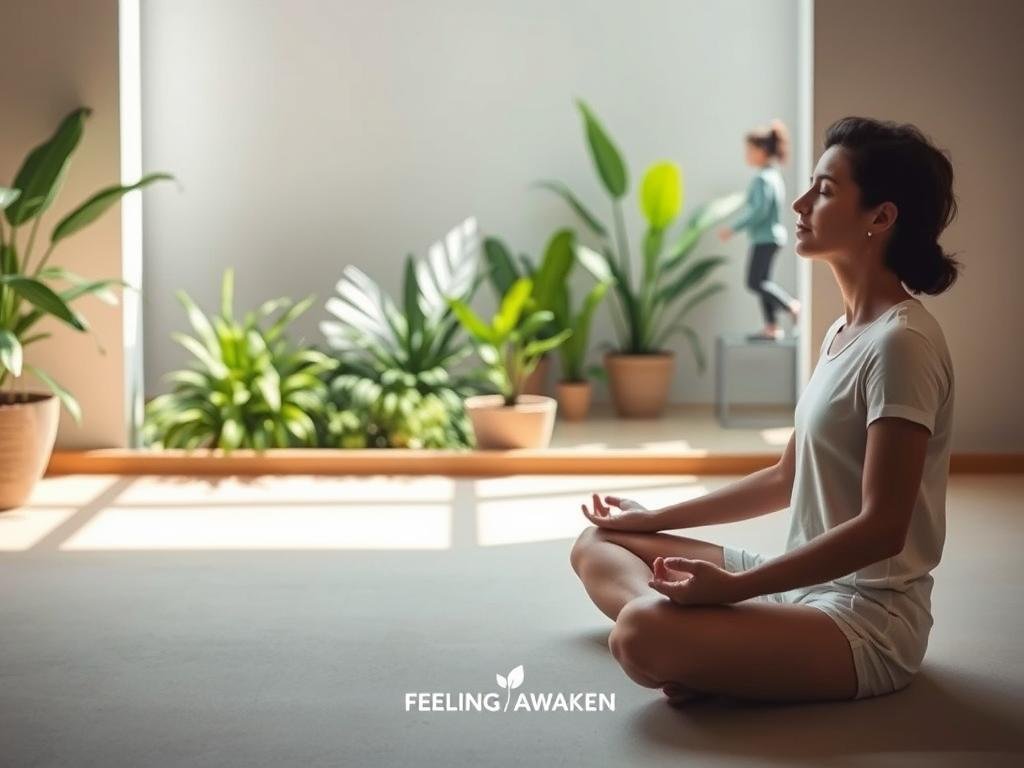
The American Psychological Association says even a little mindfulness can improve focus and happiness. Let’s look at simple ways to add mindfulness to your daily routine.
Morning Mindfulness Routines
Begin your day with purpose by starting a morning mindfulness practice:
- Wake up 10 minutes early for quiet reflection
- Practice deep breathing exercises
- Set a positive intention for the day
- Stretch mindfully, paying attention to body sensations
Mindful Eating Practices
Mindful eating is more than just eating right—it’s about enjoying your food fully. Studies show it can help with digestion and how you feel about food.
| Mindful Eating Technique | Benefits |
|---|---|
| Eat without distractions | Improved digestion and satisfaction |
| Chew slowly | Better nutrient absorption |
| Notice food textures and flavors | Enhanced eating experience |
Evening Wind-Down Techniques
Use these mindfulness practices to ease into the evening:
- Practice a 5-minute meditation
- Write in a gratitude journal
- Perform a gentle body scan
- Disconnect from digital devices
“Mindfulness isn’t about perfection, it’s about being present in each moment.” – Unknown
By adding these mindfulness practices to your daily life, you’ll become more aware, less stressed, and live a more balanced life.
Integration of Mindfulness into Daily Activities
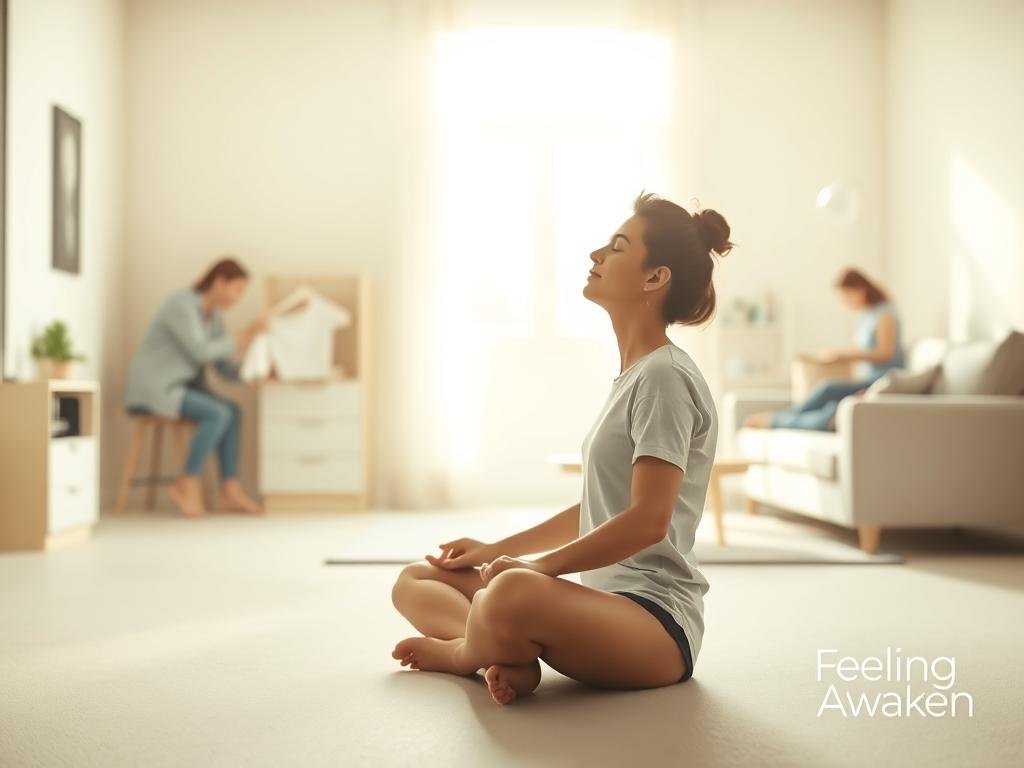
Turning everyday moments into mindfulness doesn’t need special tools or long training. It’s about being present in simple tasks. This turns daily chores into chances to be aware and connect.
“Mindfulness is not about perfection, but about being fully present in each moment.” – Unknown
Mindful walking is a great way to start being more aware in daily life. It doesn’t matter if you’re walking in a park or between meetings. Every step can be a moment to meditate.
- Practice awareness during routine tasks like washing dishes
- Transform commuting into a meditation opportunity
- Use breathing techniques during work breaks
- Engage in mindful eating by savoring each bite
Studies show simple mindfulness can cut stress a lot. People who practice daily mindfulness see a 30% decrease in job burnout. They also feel better emotionally.
Here are some tips to start:
- Start with one-minute awareness exercises
- Choose specific daily activities for mindful attention
- Use sensory observations to anchor yourself in the present
- Practice non-judgmental awareness
By making mindfulness a flexible practice, you can be more aware and less stressed. You don’t have to change your life a lot to do it.
Body Scan Meditation: A Gateway to Present-Moment Awareness
Body scan meditation is a powerful way to connect your mind and body. It helps you explore your physical sensations with curiosity and compassion. This leads to a deep understanding of the present moment.
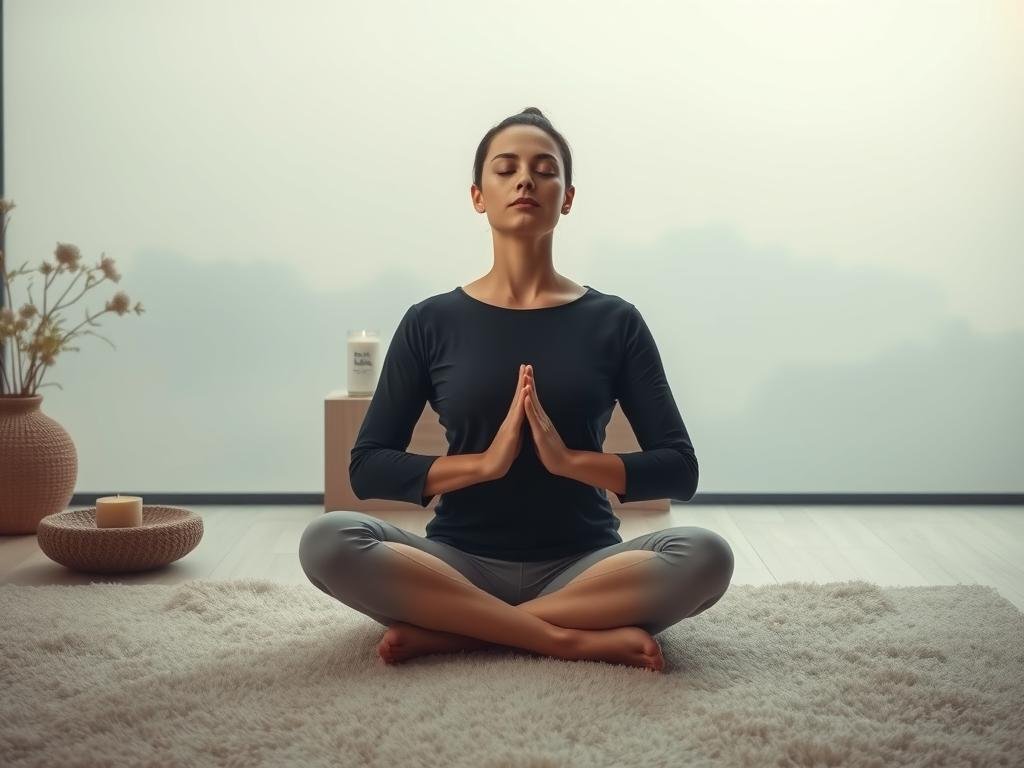
Studies show that body scan meditation lowers stress and improves emotional control. People who practice it see big improvements in their mental health.
Step-by-Step Body Scan Guide
To start body scan meditation, follow these steps:
- Find a quiet, comfy spot
- Lie down or sit in a relaxed way
- Close your eyes and breathe deeply
- Start focusing on your toes
- Move your attention up through your body
- Notice feelings without judging
- Keep breathing slowly and steadily
Common Challenges and Solutions
Starting out, you might face challenges. Wandering thoughts are normal. The trick is to gently bring your focus back to your body.
*”Meditation is not about stopping thoughts, but recognizing they are temporary.”*
With regular practice, these techniques become easier. Research shows 10-20 minutes a day can greatly benefit your mental health. It can lower stress hormones and boost emotional strength.
Mindfulness practices fit into any busy life. Whether you’re working hard or studying, body scan meditation is a flexible tool. It helps you find peace and understand yourself better.
Mindful Walking and Movement Practices

Mindful walking turns a simple walk into a powerful mindfulness practice. It links your body, breath, and surroundings through movement. This practice helps lower stress, boosts awareness, and deepens your connection with the moment.
Walking meditation is great for both your mind and body. Studies show it can:
- Lower blood pressure
- Reduce fatigue
- Improve emotional outlook
- Enhance overall wellness
“Walking is man’s best medicine.” – Hippocrates
You don’t need special gear or training to start. Just pay attention to each step, matching your breath with your movement. Notice the feel of your feet on the ground, the beat of your steps, and the world around you.
There are many places to practice mindful walking:
- Indoor hallways
- City sidewalks
- Nature trails
- Meditation gardens
Studies show walking in nature is very beneficial. Forest bathing and outdoor walking meditation can reduce stress, improve sleep, and boost happiness.
Remember, mindful walking is adaptable. You can do it for 5 minutes or an hour. Every step is a chance to be mindful and connect with the present.
Creating a Mindful Living Space
Turning your home into a calm sanctuary can boost your mindfulness. Your living space greatly affects your mental health and meditation.
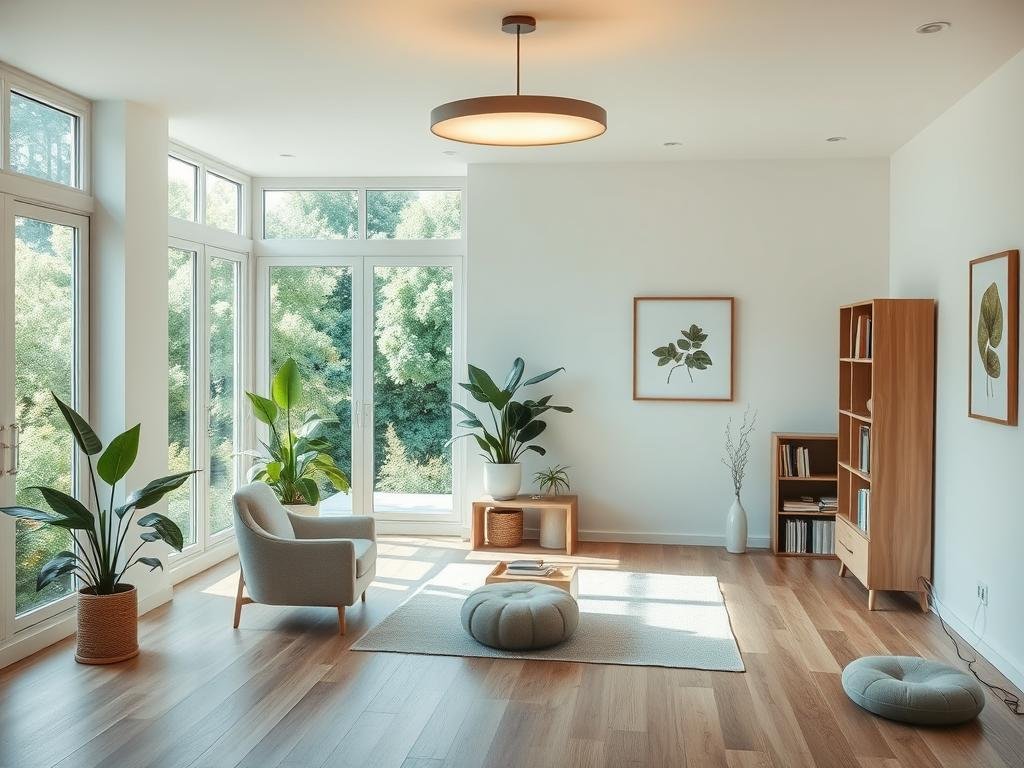
Our surroundings deeply influence our mental state. Studies show that stressful environments can harm our health. This highlights the need for a peaceful home.
Environmental Adjustments for Mindfulness
To create a mindful space, make these changes:
- Clear out visual clutter to cut down on distractions
- Add plants and natural light for a calming effect
- Choose soft colors like blues and greens
- Keep electronic devices out of relaxation zones
Setting Up a Meditation Corner
Make a special area for meditation. It should be:
- Quiet and away from busy spots
- Comfortable with cushions or a chair
- Simple and uncluttered to avoid sensory overload
| Element | Mindfulness Impact |
|---|---|
| Natural Light | Boosts mood and energy |
| Plants | Decreases stress by 40% |
| Soft Textures | Increases comfort and calm |
| Minimal Decor | Reduces mental distractions |
“Your environment shows your inner state. Make a space that supports peace and mindfulness.”
Designing your space with mindfulness in mind helps you stay present and less stressed. It’s a key part of your mindfulness journey.
Digital Tools and Apps for Mindfulness Practice
In our digital age, mindfulness apps have changed how we meditate and care for our minds. These tools bring meditation to your phone, making it easier than ever.
There are many digital mindfulness options for all levels. You can find guided sessions for beginners or advanced techniques. These apps support mental health and personal growth.
“Technology, when used mindfully, can become a powerful ally in our meditation journey.” – Meditation Expert
Top Mindfulness Apps to Explore
- Calm: Offers structured programs like “7 Days of Calming Anxiety”
- Headspace: Provides extensive meditation courses
- Insight Timer: Features a global meditation community and tracking
Key Features of Mindfulness Apps
| App | Unique Features | Price Range |
|---|---|---|
| Calm | Sleep stories, meditation programs | $69.99/year |
| Headspace | Structured beginner courses, kids meditation | $70/year |
| Insight Timer | Global meditation community, free content | Free with premium options |
Interestingly, 70% of app users report decreased stress levels. These digital tools have made meditation more accessible for millions.
While apps are very helpful, they shouldn’t replace personal meditation. The best mindfulness journey combines digital tools with quiet, introspective moments.
Mindfulness at Work: Office-Based Practices
Today’s workplaces need a lot of focus and emotional strength. Adding mindfulness to your workday can change how you feel and work. The American Institute of Stress says 83% of US workers face stress at work every day. This makes mindfulness even more important.
Meditation for work can help you stay calm under pressure. It makes you think clearer. By using mindfulness, you can feel better and do better at your job.
Desk-Based Meditation Techniques
- Practice 2-3 minute breathing exercises between tasks
- Use box-breathing for quick stress relief
- Set dedicated “focus time” between 30-120 minutes
- Take short mindful breaks to reset mental energy
“Mindfulness is not about perfection, but about being present in each moment.” – Unknown
Mindful Communication with Colleagues
Good work talks need listening and feeling emotions. Mindfulness makes talking better by:
- Staying fully engaged in talks
- Being non-judgmental
- Thinking before speaking
- Handling feelings well
Loving-kindness meditations can make talking to others better. This is true for jobs that need lots of people skills, like customer service, consulting, and leading.
Overcoming Common Mindfulness Challenges
Mindfulness can feel like a journey through a complex mind. Many face hurdles that test their dedication to meditation. Knowing these challenges is key to a strong practice.
Beginners often hit several common hurdles:
- Time constraints: 70% feel guilty about slowing down
- Keeping focus can be hard
- Physical discomfort during practice
- Overwhelming emotions
“Challenges in mindfulness are not obstacles, but opportunities for growth and self-understanding.”
Research shows that regular practice is more important than long sessions. Distractions and inner resistance can make meditation tough. It’s important to face these with kindness and curiosity.
Here are ways to beat mindfulness challenges:
- Begin with short, easy meditation sessions
- Accept yourself when it’s hard
- Use techniques to handle distracting thoughts
- Face uncomfortable feelings without judgment
Mindfulness grows with time and patience. Studies show it can cut anxiety by up to 58% and boost brain function by about 25%. By facing challenges gently, we can turn them into chances for growth.
Advanced Mindfulness Techniques for Experienced Practitioners
For those who have a strong base in meditation, advanced mindfulness offers a deeper dive into consciousness and growth. These practices require more discipline and self-reflection.
“The advanced practitioner learns to observe thoughts without attachment, transforming meditation from a technique into a profound life experience.”
Experienced mindfulness practitioners can try several advanced techniques:
- Vipassana Meditation: A deep insight meditation from Buddhist traditions
- Transcendental Meditation: Uses special mantras for deep mental calm
- Loving-kindness (Metta) Meditation: Builds compassion and emotional strength
- Contemplative Inquiry: Explores consciousness through systematic self-reflection
Studies show long-term mindfulness practice changes the brain. It increases grey matter in sensory areas. Research by Creswell et al. (2019) found advanced practices lower cortisol levels. This shows they help manage stress.
For advanced practitioners, it’s recommended to join long silent retreats. They should also extend meditation sessions and bring mindfulness into daily life. The aim is to make meditation a constant state of awareness.
Building a Sustainable Mindfulness Routine
Creating a lasting mindfulness practice takes time, effort, and planning. It’s not about being perfect. It’s about showing up and growing every day.
To build a lasting mindfulness routine, set realistic goals and understand your journey. Research shows that just five minutes a day can greatly improve your mental health.
Creating Realistic Practice Goals
Setting achievable goals keeps you motivated and committed. Here are some tips:
- Start with short 5-10 minute daily sessions
- Choose consistent times for practice
- Select mindfulness books as learning resources
- Be flexible with your approach
“Consistency trumps intensity in mindfulness practice.”
Tracking Progress and Maintaining Motivation
Tracking your mindfulness journey helps you see how far you’ve come. Here are some ways to do it:
- Keep a mindfulness journal
- Use mobile tracking apps
- Reflect on emotional and cognitive changes
- Celebrate small achievements
Studies prove that regular mindfulness can change your life. It can lower stress, improve emotional control, and boost your overall happiness.
Remember, building a mindfulness routine is a personal, evolving process that requires self-compassion and patience.
Integrating Mindfulness with Other Wellness Practices
Mindfulness practices for daily life are powerful when mixed with other wellness methods. This mix creates a complete approach to well-being. It covers mental, physical, and emotional health.
Looking into wellness practices that work together can boost mindfulness benefits. Some great pairs include:
- Yoga and Mindfulness: Synchronizing breath with movement
- Journaling and Meditation: Enhancing self-reflection
- Cognitive-Behavioral Techniques: Reframing thought patterns
- Sound Healing: Deepening relaxation experiences
Studies show that combining wellness practices can greatly help with emotional control and stress. Finding the right mix that fits your life is key.
Mindfulness is not about perfection, but about creating meaningful connections between mind, body, and practice.
| Wellness Practice | Mindfulness Benefit | Recommended Duration |
|---|---|---|
| Yoga | Enhanced body awareness | 30-60 minutes |
| Journaling | Emotional processing | 15-20 minutes daily |
| Sound Healing | Deep relaxation | 20-45 minutes |
By carefully mixing mindfulness into daily life, people can craft their own wellness plans. These plans help with mental clarity, emotional balance, and overall health.
Conclusion
Mindfulness practices can change your life for the better. Studies show they can make you feel up to 40% better emotionally and cut anxiety by a lot. It’s not about being perfect. It’s about building habits that make you feel clearer and stronger inside.
Mindfulness does more than just help you. Just a few minutes a day can make you 20% sharper and more focused. You can use apps like Headspace or go on mindfulness retreats. The most important thing is to keep at it and be kind to yourself.
Think of mindfulness as a journey of finding yourself. The science backs it up: it can lower stress, improve sleep by 30%, and boost your immune system. By sticking with mindfulness, you can change your life for the better. It helps you deal with life’s ups and downs more easily and find peace within.
Every second is a chance to practice mindfulness. Begin with small steps, be gentle with yourself, and keep growing. Your journey to a more balanced life starts with a simple breath.
FAQ
What exactly is mindfulness?
Mindfulness is about being fully present in the moment. You focus on your thoughts, feelings, and surroundings without judgment. It’s about being aware and accepting things as they are.
How long do I need to practice mindfulness each day?
Even a short time, like 1-5 minutes, can help. Start with one-minute exercises and increase as you get more comfortable. It’s more important to be consistent than to practice for a long time.
Can mindfulness help with stress and anxiety?
Yes, it can! Studies show mindfulness reduces stress and anxiety. It also improves emotional control and mental health. It trains your brain to stay calm in tough situations.
Do I need special equipment to practice mindfulness?
No, you don’t need anything special. You can practice anywhere. While some use cushions or apps, all you need is your breath and a willingness to be present.
Is mindfulness a religious practice?
Mindfulness has Buddhist roots but is now secular. It’s used in psychology and personal development. It’s a way to improve mental health that anyone can use, regardless of beliefs.
What are some easy mindfulness techniques for beginners?
Beginners can try mindful breathing, body scan meditation, and mindful walking. One-minute awareness exercises are also great. These help you stay focused on the present moment.
Can children and teenagers practice mindfulness?
Yes! Mindfulness helps kids and teens manage emotions and focus. It’s used in schools to support well-being.
How quickly will I see results from mindfulness practice?
Results vary, but many feel calmer and more focused in a few weeks. Be patient and kind to yourself as you learn.
Are there any apps you recommend for learning mindfulness?
Yes, try Headspace, Calm, Insight Timer, and Ten Percent Happier. These apps offer guided meditations and exercises for all levels.
Can mindfulness help with sleep problems?
Yes, it can improve sleep quality. Body scan meditation and mindful breathing calm the mind and help you relax for better sleep.


