
“The Tied Cat” explores how breaking free from rigid rituals can lead to a deeper understanding of life’s true meaning. Discover the power of questioning tradition to unlock personal growth and clarity.
A Pandit, also called a Poojari, lived in a tiny village and was responsible for carrying out religious rites at the nearby temple. The Pandit happened upon a cute and endearing kitten one lucky day. The Pandit chose to take the cat home and treat it like a cherished pet after becoming enthralled by its adorable personality.
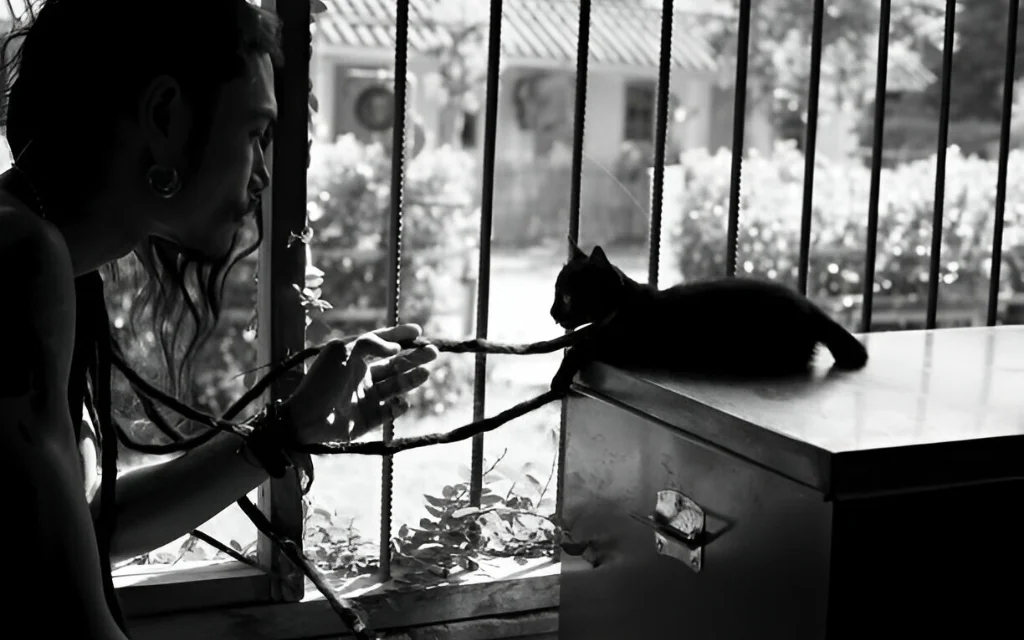
Every day that went by strengthened the Pandit’s bond with the cat. The cat devotedly followed the Pandit everywhere he went, and they shared meals and slept together. The Pandit took care of the cat’s welfare and showered it with love.
The Tied Cat
But something strange happened when the Pandit was performing the devotion rites. Milk had to be offered to the temple’s goddesses as part of the traditional sacrifice. The cat could not help but take a sip whenever it saw the milk. The cat did not understand that the milk was intended for the god and not for its sustenance, which presented a challenge for the Pandit. Innocently, the cat would consume the holy milk meant for the gods.
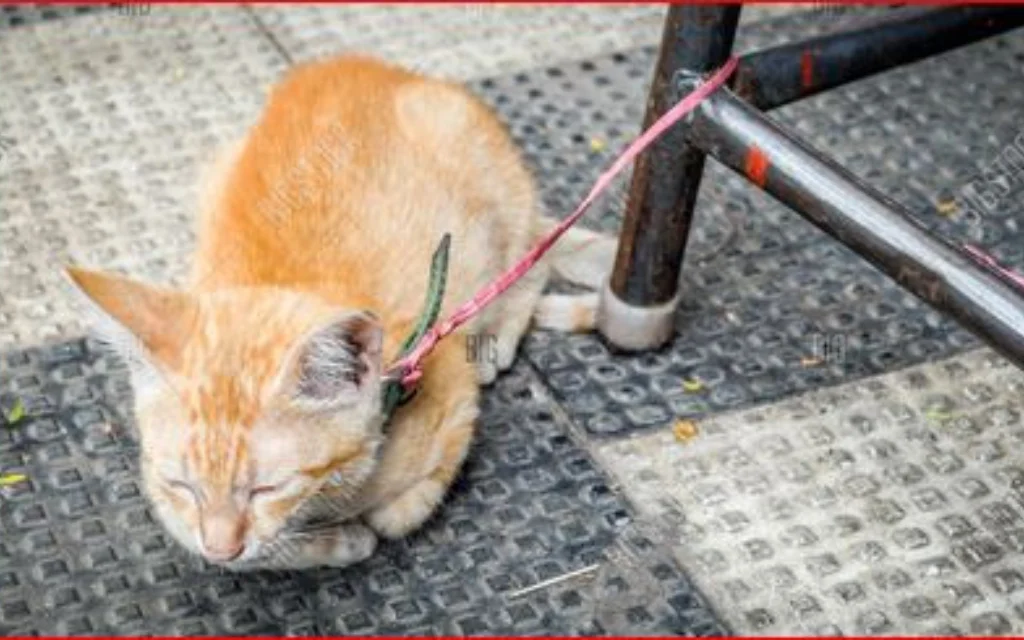
The Pandit came up with a way to prevent any more humiliating situations. He started tying the cat to a nearby tree before starting the ceremonial rites. In order to keep the cat contained during the time of worship, this became a standard procedure. The Pandit would release the cat from its brief confinement after the ceremonies were over.
The Pandit ultimately died after several years. Eager to carry on the family custom, his son took on the duty of conducting the church services. The kid dutifully carried out his father’s traditions without comprehending the rationale behind tying the cat. Securing a cat before the worship, in his opinion, was an essential component of the custom.
With time, the cat, too, died, leaving the Pandit family’s subsequent generations bewildered. They had no idea why tying a cat was done in the first place, and they believed that using a cat was the only way to complete the process. They were distressed and felt unfulfilled during their worship because there were no cats in their community. In an attempt to regain their former level of contentment, they decided to purchase a cat from a nearby village. They quickly tied the cat to a tree and carried out their worship rite after obtaining it, taking comfort in the fact that it was now complete.
Our personal lives are reflected in this story. We frequently find ourselves performing particular customs or rituals without fully understanding their meaning. Like the Pandit descendants, we carry on with these traditions without questioning their rationale. We could unwittingly get ourselves caught up in a tradition-based cycle, acting without comprehension. We must investigate the significance of our customs and behaviors and pursue knowledge and understanding. By doing this, we may make sure that our activities are motivated by real goals rather than just token gestures.


1 thought on “The Tied Cat: Breaking Rituals and Seeking Meaning”