
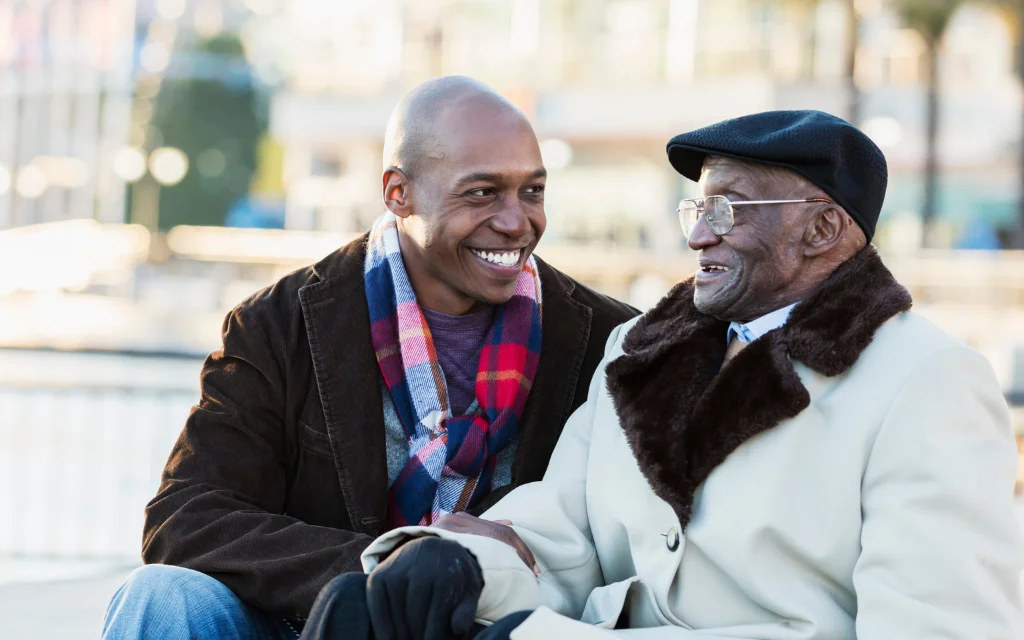
Elderly people may be at risk during the winter months. The likelihood of falls and other injuries is increased by the cold and the frequent abundance of ice and snow.
As a result, a lot of people are curious about what older adults may do to stay healthy throughout the winter. What options do they have for strategies?
This article is about it. It looks at some strategies older people might employ and how they can significantly impact their general health and the dangers they confront during this season.

Winter Safety Tips for Seniors
Wear A Medical Alert Device
Issues with chronic diseases may worsen over the winter and cause more troubles than usual. For instance, some people’s blood pressure may rise in chilly temperatures.
Wearing medical warning devices during this time of year is therefore a smart choice for senior citizens. In an emergency, these can call for assistance, guaranteeing that medical care is provided quickly and without delay.
Elderly persons can press a button on basic versions of these devices. More sophisticated models feature sensors and a button that automatically send out alert signals in the event of a fall or a change in vital indicators, such as blood oxygenation or heart rate.
Ensure Sufficient Vitamin D
It is important to make sure older adults are getting enough vitamin D because they will be spending a lot of time indoors. Consuming adequate amounts of the vitamin sunlight might help prevent unpleasant health issues and enhance emotions of vitality and wellness in general.
For many older adults, vitamin D insufficiency can be a major issue, resulting in issues including weakening bones and immunity. As a result, obtaining it through diet and supplementation is crucial.
The majority of supplements include about 2000 IU, which is what more experts advise for days in the winter when exposure to the sun is impossible. Additionally, fortified foods like milk and other goods like salmon and eggs can provide vitamin D.
Remain Active Inside
Given the hazards of frailty that many elderly people suffer when they do not move around as much, staying active indoors is also a sort of safety tip.
Moving to improve circulation and joint mobility is one way to stay active indoors. Additionally, it helps improve mood, which is important for many elderly individuals who are unable to see friends and relatives.
Unless a person has a disability, prolonged sitting is strictly prohibited. In order for the shearing forces inside blood arteries to preserve barrier function, it is imperative that you get up and move around occasionally, at least once every hour.
Prepare For Emergencies
Being prepared for emergencies is another wintertime safety recommendation for senior citizens. There are times when leaving the house is impossible.
Typically, emergency preparedness entails storing food, water, and prescription drugs. However, if there is a power outage for any reason, older adults might also benefit from having extra fuel in the house for warmth and flashlights or battery-operated lighting.
If they are still driving, it also helps if the vehicle is prepared for winter. They can go to someone else’s house or a shelter that still has electricity since they are prepared.
Monitor Health Closely
It is also crucial to keep a close eye on general health throughout the winter. For many folks, this time of year may be detrimental, if not downright dangerous.
For instance, many people find that cold weather exacerbates diseases like arthritis. The considerably cooler weather puts many people at greater risk since it can exacerbate problems like heart disease and respiratory ailments.
Making sure senior citizens see their doctors on a regular basis during the winter months is the recommendation here. These can guarantee that they are taking the appropriate drugs to manage their risk factors.
Getting a safe seasonal flu vaccination is also a smart choice. These can lessen the severity of the flu by ensuring the body has the antibodies it needs to fight it off, but they do not always stop it from happening.
Stay Hydrated And Eat Well
Seniors can improve their safety by eating healthily and drinking plenty of water. The risk of dehydration can be decreased by eating the right foods and drinking enough water.
Herbal teas and simple water are the greatest beverages. These may boost the immune system and are free of sugar and other harmful substances.
Eating foods high in nutrients also improves general health and immunity. According to some research, individuals with chronic illnesses can eliminate them by just altering their diet.
Prevent Slips Or Falls
Finding strategies to avoid slips and falls during the winter months is another safety suggestion, as these incidents are more frequent during this season. To reduce the likelihood of slipping within the house, start by purchasing indoor or interior mats. These are typically placed in areas like the kitchen and bathroom where slips are most likely to occur.
Additionally, you can purchase non-slip shoes for your older family members. Since they are effectively wearing anti-slip technology everywhere they go, these can be even more effective.
Remember to keep driveways and pathways clear of ice outside. If paths become inaccessible, it is helpful to have an electric snow blower nearby. These tools are crucial for removing snow that could cause trips and falls when leaving the house. Depending on their needs, elderly individuals can carry them with them and blow a route for themselves or have their relatives do it for them.
Keep Warm Indoors
Last but not least, in the winter, older adults must stay warm indoors. For pleasant living, the ideal temperature range is between 68°F and 70°F. Some people may find 66°F to be acceptable, but unless they are clothed in heavy clothing, it may be too cold for others.
Elderly individuals should wear appropriate clothing in layers when they are outside to avoid hypothermia. The finest clothing is made of wool and fleece, combined with a wooly hat and several types of thermal socks. They keep the limbs from being too cold, which can lead to problems like frostbite.


